The best engineering doctoral programs in Colorado should connect a flexible curriculum to a defined faculty research commitment. The University of Denver’s PhD in Engineering makes that connection part of admission: applicants need an advisor commitment to be considered for the doctoral program. Our 2027 ranking examines the broad technical degree, its individualized course plan and the preparation needed to pursue it.
Denver is the selected program in this focused Colorado ranking. Its engineering doctorate can draw on mechanical, electrical, computer, biomedical and materials study, with advanced mathematics and computational methods supporting the research. The university uses quarter credits and offers different starting points for applicants with bachelor’s and master’s degrees.
How We Ranked General Engineering Doctoral Programs in Colorado
We selected this broad award after reviewing official requirements for engineering doctoral programs in Colorado. The assessment considers the actual Engineering PhD, the faculty-advisor rule, course options and assistantship process. It preserves the distinction between Denver’s standalone engineering doctorate and its separate interdisciplinary arrangement combining engineering with another discipline.
Denver is featured for the ability to build a personalized technical plan around an identified research mentor. The advisor requirement provides an early test of whether the proposed project can be supported. Applicants should give that fit more weight than the breadth of the course menu or the order of a general ranking.
Graduate teaching and research assistantships are competitive. The program encourages applicants seeking these appointments to apply before the priority admission deadline. Review the specific appointment’s stipend, tuition support, workload and duration alongside the advisor commitment.
Denver’s Engineering PhD puts the faculty research relationship at the center of admission. The school considers a doctoral applicant for the master’s program only when there is no research-advisor commitment, so making that connection is an essential early task. Within the doctorate, an individualized plan can combine mechanical, electrical, computer, materials and biomedical study with advanced mathematical methods. We value the ability to build a technical course sequence around a defined research problem and the clear distinction between bachelor’s and master’s entry. The university uses quarter credits, which matters when interpreting the degree’s overall requirement and the amount of prior master’s work that may be accepted.
Where It Stands Out
Denver fits applicants who have identified a faculty mentor and want a personalized engineering plan with depth in more than one technical subject. Its robotics, materials, biomedical and computational research areas can support that approach when the project and supervision align.
What to Weigh
A broad course menu does not replace the advisor commitment required for doctoral consideration. Master’s credit is subject to approval, and competitive assistantships must be evaluated separately. Compare the quarter-credit plan and research expectations before assuming a prior degree will shorten the doctorate by a fixed period.
The degree requires 90 quarter credits overall. Students entering with a master’s may transfer up to 45 applicable credits and must complete at least 45 at Denver.
Graduate Professional Development and Graduate Assessment accompany an individualized technical plan.
Available coursework spans mechanical, electrical/computer, biomedical and materials engineering, with advanced mathematics and computational methods.
Research Areas
Biomedical engineering
Advanced materials
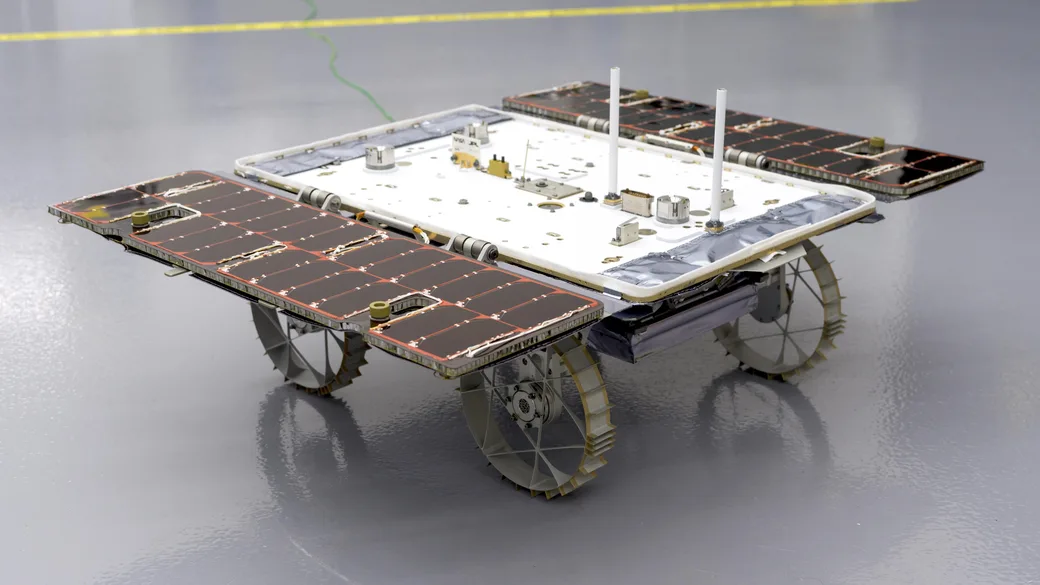
Robotics and mechanical design
Artificial intelligence and machine learning
Admission & Progression
Applicants may enter with an engineering or closely related master’s; bachelor’s entry is possible, although the program encourages those applicants to consider the MS first.
Contact a faculty research advisor before applying. Without an advisor commitment, the school considers the application for the master’s program only.
Submit the university’s required academic records and language-proficiency evidence where applicable; discuss preparation for the intended graduate courses with the program.
Research & Project Requirements
Develop an individualized plan with a faculty mentor and conduct independent research toward the engineering doctorate.
The school also offers an interdisciplinary doctoral arrangement combining engineering with a complementary discipline. Confirm which program structure will govern the proposed research.
What Matters in General Engineering Doctoral Programs in Colorado
Advisor Commitment Before Admission
Denver recommends contacting a research advisor before applying and considers applicants only for the master’s when an advisor has not committed. That rule makes available supervision central to doctoral selection.
Technical Breadth in the Course Plan
The curriculum can combine several engineering fields with advanced mathematics. We assess whether the available subjects support a coherent research question and the depth required for independent investigation.
Quarter Credits and Actual Support
Degree totals, approved master’s transfer and competitive assistantships all affect the commitment. The assessment keeps quarter credits explicit and separates possible funding from a confirmed individual award.
Start the Colorado PhD Search with Faculty Research
For Denver’s Engineering PhD, identifying a mentor is an admission task rather than a decision to leave until the first term. The school says an application without a research-advisor commitment will receive master’s consideration only. A prospective doctoral student should therefore explain the intended problem, relevant preparation and why a particular faculty member’s work provides a suitable research setting.
An effective discussion also establishes what the proposed investigation would require. Coursework, facilities, data, experimental methods and the advisor’s current research plans all affect feasibility. A broad degree title is useful when the project crosses technical subjects, but the faculty relationship determines whether those subjects can be brought together in an actual dissertation. The application should make that connection clear.
Building the Individualized Engineering Curriculum
Denver describes technical study in mechanical, electrical, computer and biomedical engineering, materials science and related areas. Its published course options include finite-element analysis, computational fluid dynamics, robotics, biomechanics, composites and advanced electronic or computer engineering. Mathematical options include numerical methods, optimization, reliability and robot control. These are subjects to discuss with the advisor when building the approved plan.
Graduate Professional Development and Graduate Assessment accompany the technical coursework. The objective is to develop both breadth and depth for independent research, so the right combination depends on the question being investigated. A materials project using computational mechanics needs a different sequence from a biomedical project involving signals or robotics. Compare the proposed course plan with the skills the dissertation will actually require.
How Denver’s Quarter-Credit Requirement Works
The doctorate requires 90 quarter credits overall. A student with a master’s may apply up to 45 approved credits from that degree and must complete at least 45 credits at Denver. These are quarter credits, so the figure should not be read as a semester-credit total. Transfer depends on approval and on the relevance of the prior study to the doctorate.
Bachelor’s admission is possible, although the program encourages those applicants to consider the engineering MS first. The published program overview gives different planning lengths for bachelor’s and master’s entrants, but independent research determines the actual completion schedule. Applicants should obtain a course and research plan for their own preparation before estimating how much the prior degree will shorten the work.
Evaluate the Assistantship and Research Plan Together
Denver identifies graduate teaching and research assistantships as funding options and encourages applicants to apply before the priority admission deadline. The appointments are competitive. A research mentor’s willingness to supervise and a funding offer are related decisions, but they are not interchangeable. The written appointment should explain the support period, workload and financial terms.
For a teaching appointment, discuss how instructional responsibilities fit around coursework and research. For a research appointment, establish how the funded work relates to the intended dissertation and what happens when the grant period ends. The same review should cover tuition responsibility and summer or continuing research registration. This makes it possible to evaluate the doctorate as a sustained research commitment rather than only an initial set of classes.
Questions, answered
What Else Should You Know?
Does Denver Offer a General Engineering PhD?+
Yes. Denver offers a standalone PhD in Engineering with an individualized technical plan. It also describes a separate interdisciplinary doctoral arrangement that can combine engineering with a complementary field such as natural science.
Is a Research Advisor Required for Doctoral Consideration?+
Yes. The program states that applicants without a research-advisor commitment will be considered for the master’s program only. Contacting potential advisors is therefore an essential part of preparing the doctoral application.
How Many Credits Do These Engineering Doctoral Programs in Colorado Require?+
Denver’s Engineering PhD requires 90 quarter credits overall. Up to 45 applicable master’s credits may be approved, with at least 45 credits completed at Denver. The accepted transfer and final research plan determine the individual requirement.
Continue your graduate research
Read the Degree Requirements Behind Each Ranking
Use the school reviews to check how each program structures coursework, projects and research. Our methodology explains how we select programs and assess their fit.